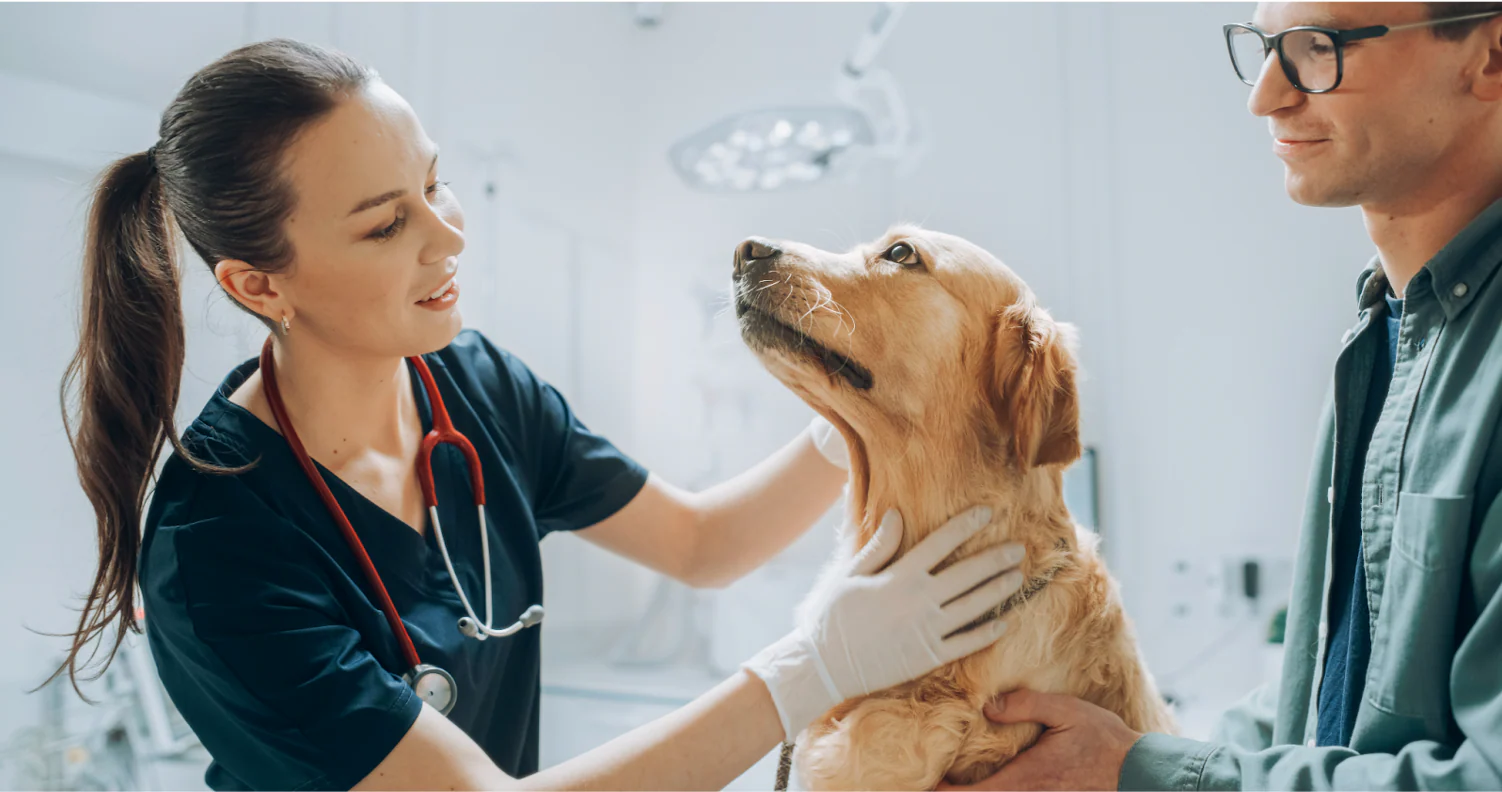
Veterinary care is essential for a dog’s health, but it is only one part of the picture. Most of a dog’s wellbeing is shaped by daily habits, environment, and long-term lifestyle choices. What happens between vet visits often has a greater impact on a dog’s quality of life than occasional check-ups alone.
Supporting a dog’s health beyond the clinic involves attention to routine, nutrition, movement, mental stimulation, and emotional security.
Daily routines create physical stability
Dogs thrive on predictability. Consistent routines help regulate digestion, sleep, energy levels, and behaviour. Feeding, walking, play, and rest at similar times each day support the body’s natural rhythms.
A stable routine reduces stress, which in turn supports immune function and overall health. Dogs who experience frequent disruptions may show signs of anxiety, digestive issues, or behavioural changes.
Key elements of a healthy daily routine include:
-
Regular meal times
-
Consistent exercise schedules
-
Predictable rest periods
-
Calm transitions between activities
Even small adjustments, when done consistently, can improve a dog’s sense of security.
Nutrition plays a foundational role
Nutrition affects nearly every aspect of a dog’s health, from coat condition to joint strength and digestion. Beyond choosing appropriate food, how and when dogs are fed also matters.
Balanced nutrition supports:
-
Healthy weight maintenance
-
Energy regulation
-
Skin and coat health
-
Long-term organ function
Treats, supplements, and enrichment feeding should be chosen carefully to complement, not replace, a balanced diet.
Movement keeps the body resilient
Regular movement is essential for maintaining muscle tone, joint flexibility, and cardiovascular health. Exercise also helps regulate weight and supports mental wellbeing.
Movement does not always mean long walks. Play, training, and low-impact activities all contribute to physical health. The key is consistency and suitability to the dog’s age and condition.
Dogs who move regularly tend to recover better from minor injuries and show fewer age-related mobility issues over time.
Mental stimulation protects emotional health
Mental health is often overlooked in dogs, yet boredom and frustration can lead to stress-related behaviours. Mental stimulation keeps the brain active and supports emotional balance.
Examples of mental enrichment include:
-
Training games
-
Puzzle feeders
-
Scent-based activities
-
Learning new cues or tricks
Mental engagement is especially important for dogs who cannot engage in intense physical activity due to age or health limitations.
Emotional wellbeing matters as much as physical care
Dogs are highly social animals. Emotional health is shaped by interactions, bonding, and trust. Positive reinforcement, clear communication, and quality time all contribute to a dog’s sense of safety.
Stress and anxiety can weaken immune function and worsen existing health issues. Creating a calm, supportive environment helps dogs cope better with changes and challenges.
For owners exploring broader approaches to everyday dog care and wellbeing, platforms like WAG can offer helpful perspectives on supporting dogs through routine, enrichment, and lifestyle choices beyond clinical care.
Environment influences long-term health
A dog’s living environment affects posture, movement, and comfort. Flooring, sleeping surfaces, access to outdoor space, and noise levels all play a role in physical and emotional wellbeing.
Simple adjustments such as supportive bedding, quiet rest areas, and safe spaces for relaxation can improve comfort, particularly for older dogs.
Observing small changes makes a big difference
One of the most powerful ways to support health outside vet visits is observation. Changes in appetite, energy, posture, or behaviour often appear gradually. Early awareness allows owners to adjust routines or seek advice before issues escalate.
Healthy dogs are not just those who pass annual check-ups. They are dogs whose daily needs are met thoughtfully and consistently.
By focusing on routine, nutrition, movement, mental engagement, and emotional support, owners can play an active role in maintaining their dog’s health every day, not just when something goes wrong.
